
Arctic Flora Guide: Wild Herbs and Berries from Greenland
Greenland is known for ice and mountains, but between the rocks and along the coast grows a surprising world of plants. Arctic herbs, berries and flowers survive long winters, strong winds and a short summer. Many of them have been gathered by people in the north for generations. In this guide, we introduce the wild plants behind our Tarajoq Flora salts.
Why Arctic plants taste so special
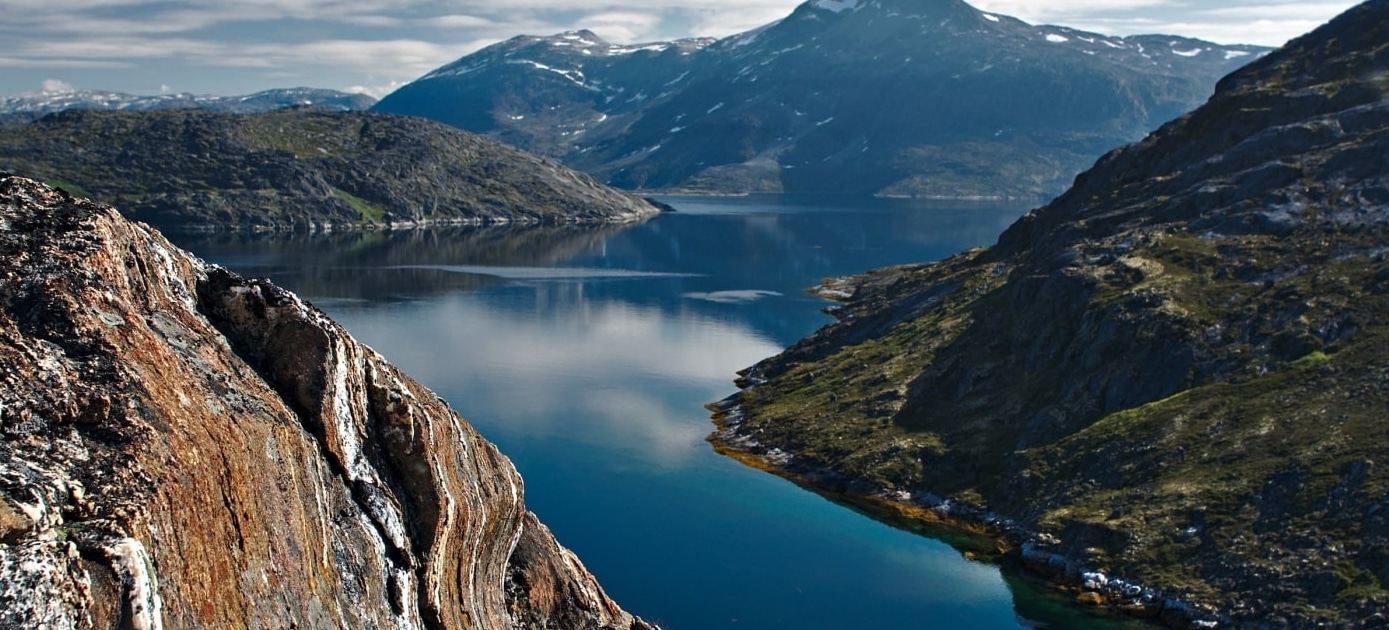
Plants that grow in cold, harsh places often develop concentrated flavours. The summer is short, but the days are long and bright, so the plants make the most of every hour of light. The result is herbs with a fresh, clear aroma and berries with a deep, sharp sweetness. We blend them with clean Greenlandic sea salt, so the taste of the coast and the taste of the land meet in one jar.
Golden Root (Tullerunnaq)
Golden Root grows on rocky slopes and cliffs. It is a hardy plant with thick roots, and it has long been part of northern folk traditions. In the kitchen, it adds an earthy, slightly rose-like aroma. Try Tarajoq Golden Root on fish, chicken and slow-cooked stews.
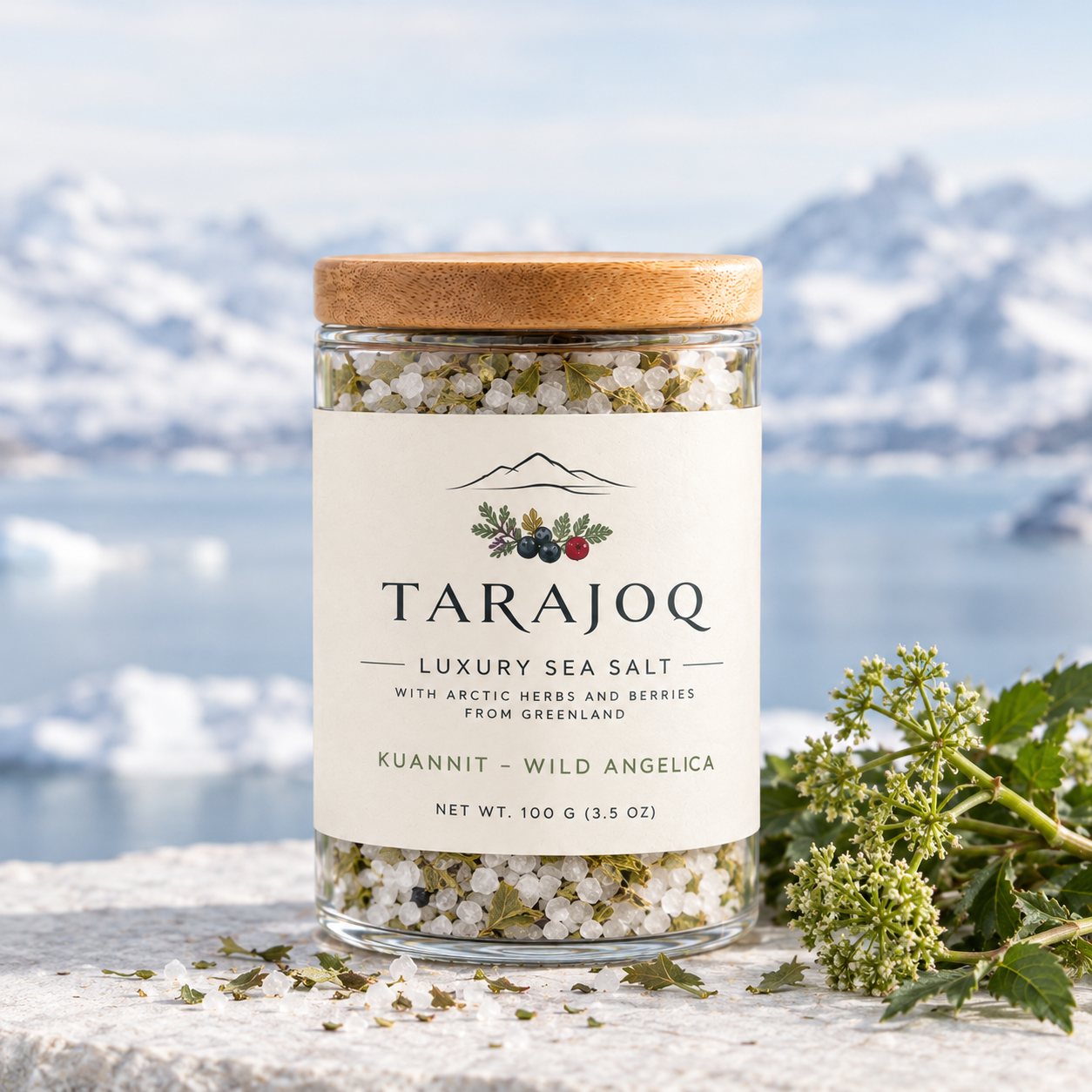
Wild Angelica (Kuannit)
Wild Angelica is a tall plant with large, round flower heads that grows near streams and sheltered coasts. Its stems and leaves have been used as food and flavouring in the Nordic region for centuries. The aroma is sweet, green and a little peppery, and it works beautifully with fish, butter sauces and boiled potatoes.
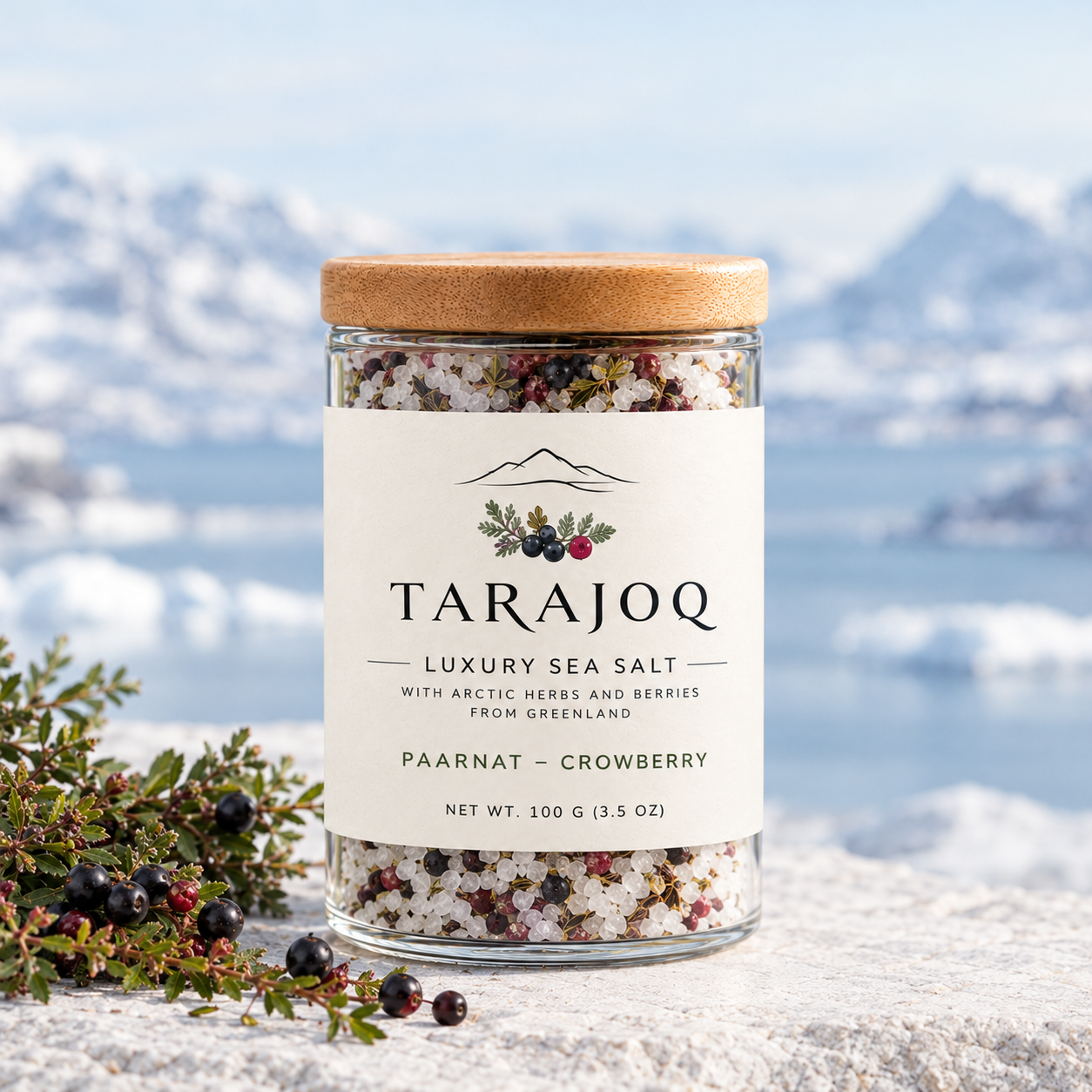
Crowberry and Bilberry (Paarnat and Kigutaarnat)
Crowberries and bilberries grow low to the ground across the Arctic tundra and are picked in late summer and autumn. Crowberries are dark and tart, while bilberries are sweeter and fruitier. Dried and mixed with salt, they give a gentle fruity note that suits game, beef, cheese and even desserts.
Labrador Tea (Qajaasat)
Labrador Tea is a low evergreen shrub with leathery leaves and a deep, resinous aroma with hints of pine and spice. We use only a small amount in our blend, because strong flavours need a gentle hand. A pinch lifts sauces, stews and slow-cooked meat.
Bladderwrack (Equutit)
Not every Arctic plant grows on land. Bladderwrack is a brown seaweed found on rocky shores, and it brings the deep savoury taste known as umami. It is a natural match for soups, fish dishes, eggs and rice.
Dandelion, Dwarf Birch and Eyebright
Some of our blends use gentler plants. Dandelion adds fresh, slightly bitter greens, Dwarf Birch gives a soft woodland note, and Eyebright brings a mild herbal flavour that suits eggs and salads.
How to use Flora salts
Use them as a finishing salt, or add them while cooking. Start with a small pinch, taste, and add more if you like. Coarse salt works best on meat and fish before cooking, while the finer blends are good for vegetables, bread and eggs. Store your jar in a cool, dry place with the lid closed.
A note on wild plants
Our Flora salts are seasonings, not medicines. Some wild plants are not suitable for everyone, including pregnant women and people who take medication. If you are unsure, ask your doctor. Always buy plants from a trusted source, and never eat wild plants unless you are certain what they are.
Explore the full Flora range in our shop and find the blend that tastes like your kind of Arctic.